
Sensory Processing and Integration
This topical guide will introduce you to important books, videos, and information resources available from the EI Clearinghouse and other sources. Contact us via online form or by phone (1-877-275-3227) to request a resource listed below (or ask your local public librarian). Note that some videos may be viewed online, and journal titles will take you to the publisher’s homepage.
Table of Contents

EIC Resources
No resources have been added to this section yet. However, new resources are added frequently!Books

This book explores common play challenges and intervention techniques to use when you observe children struggling to play. Focusing on large motor and outdoor play activities, this book also includes background information and sensory-integration play tips from an experienced occupational therapist.
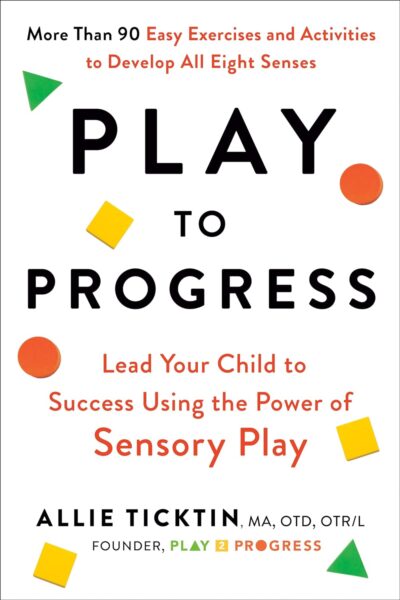
This book discusses the eight sensory systems and how a child uses them, and offers easy, fun activities—as well as advice on setting up a play area—that will encourage their development so that your little one will be better able to respond to their emotions, build friendships, communicate their needs, and thrive in school.

This book for parents and early interventionists contains a collection of reproducible sheets detailing developmentally appropriate activities that enhance the movement, motor skills, and sensory abilities of young children experiencing a developmental delay. It explains the role of physical therapists and uses family-centered, abilities-based models. This book includes theories, clinical applications, and skills for professionals to use.
Messy play is one of the great joys of early childhood. Recipes for Messy Play uses 40 fun, open-ended, and creative recipes for children that can be used both in the early childhood education setting and at home.

Offering strategies for helping all kids to develop social, motor, and sensory skills, this book provides step-by-step directions for how to use children’s natural interests at different stages of their development to help them develop a wealth of sensory motor and social skills.

In this handbook, the author discusses 205 different sensory signals, each presented with a description of the different ways a child may experience the signal and with practical ideas to help all children accommodate the specific sensory input. This edition includes an extra section called :Sensory in a nutshell.”